
Jewelry as Investment: Building a Valuable Collection
Learn how to buy investment-worthy jewelry in the USA—gold, diamonds, gemstones, and designer pieces that hold value, plus appraisal, resale, and care tips.
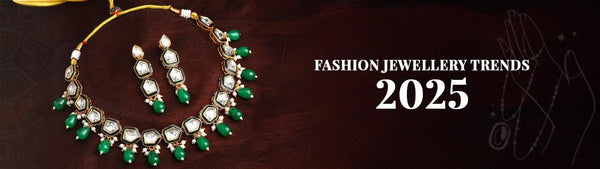
Jewelry is emotional, personal, and beautiful—but certain pieces can also be smart long-term assets. In the USA, more shoppers are searching for jewelry as an investment because gold prices fluctuate, diamonds remain a classic store of value, and high-quality designer jewelry can hold resale demand. The truth is: not every ring or necklace is an “investment,” but understanding what makes jewelry valuable helps you buy better—pieces you’ll love wearing and feel confident owning for years.
This guide breaks down how jewelry holds value, what categories perform best (gold, diamonds, gemstones, designer jewelry), how to spot quality, what certifications matter, how resale works, and how to build a collection that’s both wearable and financially meaningful. Think of it as a USA-friendly roadmap for buying jewelry with intention—without falling for hype.
Is jewelry really a good investment?
Jewelry can hold value, but it’s different from traditional investments (like stocks). Jewelry value depends on:
- Intrinsic value: precious metals and gemstones
- Market demand: what buyers want right now
- Condition: wear, repairs, missing stones, tarnish
- Brand and provenance: designer signatures, history, documentation
- Liquidity: how quickly you can resell at a fair price
In practice, jewelry is best viewed as a hybrid investment: something you can enjoy wearing while maintaining a portion of its value. Some pieces may appreciate. Many will retain partial value. But the biggest win is buying quality over impulse.
What makes jewelry valuable?
Here are the major value drivers used by jewelers, appraisers, and collectors:
1) Metal type and purity
Gold and platinum have strong intrinsic value. Higher purity often means higher value, but durability matters too (especially for daily wear). Common metal types:
- 14k gold: durable, popular in the USA, strong daily wear choice
- 18k gold: richer color, higher gold content, premium feel
- 22k/24k gold: very high purity (softer), more common in some regions; investment by weight
- Platinum: premium, durable, and highly valued
2) Gemstone quality
For diamonds, the 4Cs matter: cut, color, clarity, carat. For colored gemstones (emerald, ruby, sapphire), value is driven by color intensity, clarity, origin, and treatment status.
3) Craftsmanship and design
Well-made jewelry lasts longer and often resells better. Look for secure prongs, clean finishing, strong clasps, and balanced settings.
4) Rarity and desirability
Limited pieces, rare stones, or collectible era designs can outperform generic styles. Vintage and antique jewelry can be valuable for rarity and craftsmanship. (Link: vintage jewelry revival.)
5) Brand reputation and signatures
Designer and luxury brands can hold value due to demand, recognition, and resale markets. Signed pieces with documentation often resell better than unbranded jewelry—even if the materials are similar.
Best jewelry categories for investment (USA market)
1) Gold jewelry (by weight + wearable value)
Gold is the easiest category to understand: it has intrinsic value, global demand, and relatively predictable resale pathways. The most “investment-friendly” gold jewelry typically includes:
- Solid gold chains (Cuban, rope, Figaro)
- Gold bracelets and bangles
- Simple gold rings (higher weight, classic designs)
- Gold coin jewelry or minimal high-weight pieces
Tip: If your goal is value retention, prioritize solid gold over hollow pieces. Hollow styles can look great, but they may have lower intrinsic weight value.
2) Diamonds (certified stones perform best)
Diamonds can hold value, especially when quality and certification are strong. For investment-minded buyers in the USA:
- Choose a diamond with a reputable lab certification (commonly GIA for natural diamonds).
- Prioritize excellent or very good cut quality (cut impacts sparkle and demand).
- Round brilliant diamonds are generally most liquid (easier resale demand).
Reality check: Retail prices include markups. Resale often returns less than you paid unless the stone is exceptional or market conditions are favorable. So buy diamonds you love wearing.
3) Colored gemstones (high upside, requires knowledge)
Emeralds, rubies, and sapphires can be valuable, but this category is more complex. Key value factors:
- Color saturation and tone
- Clarity (especially for emeralds)
- Treatments (heated vs untreated)
- Carat weight and cut
- Certification and documentation
If you’re new, start with reputable sellers and certification for higher-value stones.
4) Designer jewelry (brand demand + collectibility)
Designer jewelry can resell well because buyers recognize it and search for it. Value improves when you have:
- Original box and papers
- Receipts and authenticity documentation
- Popular styles with ongoing demand
- Limited editions or iconic collections
Tip: Trends change, but iconic styles tend to hold value better than seasonal designs.
5) Vintage and antique jewelry (rarity + craftsmanship)
Vintage pieces can perform well if they’re rare, well-made, and in good condition. Collectible eras like Art Deco can be highly desirable. If you want estate guidance, link to vintage jewelry revival.
Jewelry that usually does NOT hold value (warning section)
These categories often lose value quickly:
- Gold plated / fashion jewelry (limited intrinsic value)
- Ultra-trendy designs with short trend cycles
- Low-quality diamonds or stones without documentation
- Fragile construction (thin prongs, weak clasps)
- Heavily worn pieces with missing stones or damage
That doesn’t mean they’re “bad”—they can still be beautiful and fun. But they aren’t the best investment category.
How to build a valuable jewelry collection (step-by-step)
Step 1: Define your goal
Are you buying for:
- Value retention + daily wear?
- Long-term appreciation potential?
- Heirloom building?
- Resale flexibility?
Your goal changes what you buy. If you want daily wear + value retention, focus on solid gold staples and classic diamond/pearl pieces.
Step 2: Start with timeless staples
In the USA, strong foundation pieces include:
- Solid gold chain necklace
- Gold hoop earrings or diamond studs
- Classic bracelet (tennis or solid gold chain)
- Simple gold ring or signet ring
These also support fashion styling content like quiet luxury and statement earrings.
Step 3: Add one “hero” piece
Choose one higher-value item you truly love: a certified diamond, a high-quality gemstone ring, or a designer piece. Hero pieces become heirlooms because they’re worn and remembered.
Step 4: Document and protect your pieces
Keep:
- Receipts
- Certificates
- Appraisals
- Brand packaging (if designer)
Documentation improves resale value and makes insurance easier.
Appraisals, insurance, and resale (USA basics)
Appraisals
An appraisal gives you an expert estimate of replacement value or market value. It helps for insurance and can clarify what you actually own.
Insurance
If you own high-value pieces, consider jewelry insurance. Keep photos, receipts, and appraisals updated.
Resale reality
Resale channels include local jewelers, consignment, online resale platforms, and auctions. Resale price depends heavily on demand and condition. In many cases, you will not get full retail price back—especially if the original purchase included heavy brand markup or trend-based pricing.
Smart tip: Buy quality at fair pricing and keep your jewelry in excellent condition. That’s the strongest path to value retention.
How to maintain jewelry value (care matters)
Condition is a major value driver. Keep your jewelry clean, store it properly, and fix issues early:
- Store pieces separately to avoid scratches.
- Remove jewelry before swimming, showering, gym, and cleaning.
- Get prongs checked if you wear gemstone rings often.
- Keep certificates and boxes safe.
For detailed cleaning, link to jewelry care essentials.
FAQ: Jewelry investment
What jewelry holds its value best?
Solid gold pieces (by weight), certified diamonds, high-quality gemstones, and iconic designer jewelry tend to hold value best in the USA market.
Is 14k or 18k gold better for investment?
18k has more gold content; 14k is more durable and popular for daily wear in the USA. Both can be good—value depends on weight, design, and pricing.
Are lab-grown diamonds an investment?
Lab-grown diamonds can be beautiful and affordable, but resale value dynamics differ from natural diamonds. If your goal is investment, natural certified diamonds tend to be more traditional for long-term value retention.
Explore other blogs: vintage jewelry, sustainable jewelry, and quiet luxury.