
Cultural Jewelry Traditions: Celebrating Heritage Through Adornment
Explore cultural jewelry traditions—from American heritage styles to Middle Eastern gold customs—plus modern ways to wear meaningful symbols with respect.
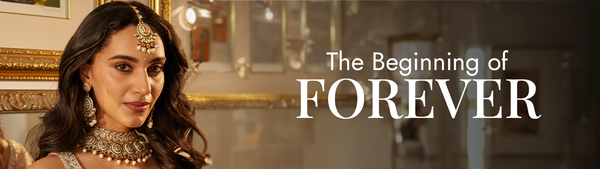
Jewelry has always been more than decoration. Across cultures and centuries, jewelry has served as a symbol of identity, protection, love, prosperity, spirituality, and social status. From heirloom pieces passed through American families to the deep gold traditions of the Middle East, cultural jewelry carries stories—often tied to important milestones like weddings, births, rites of passage, and community belonging.
In modern fashion, cultural jewelry is trending again because people want meaning, not just aesthetics. Symbols like evil eye jewelry, hamsa hands, cross pendants, birthstones, family lockets, and engraved signet rings remain popular—especially when styled with a modern, minimalist approach. This guide explores cultural jewelry traditions, what different motifs mean, how traditions show up in the USA today, and how to wear cultural jewelry respectfully.
Why cultural jewelry matters
Jewelry can carry cultural meaning in several ways:
- Heritage: representing your family background and history
- Faith: spiritual symbols and religious jewelry
- Protection: talismans believed to guard against negativity
- Milestones: wedding jewelry, graduation rings, coming-of-age gifts
- Status and prosperity: gold as wealth and security
When jewelry has meaning, it becomes wearable identity—something you don’t just own, but live with.
Middle Eastern jewelry traditions: gold as culture and prosperity
In many Middle Eastern communities, gold jewelry holds profound cultural and economic significance. Gold is often given as:
- A wedding gift
- A symbol of financial security
- A family asset passed down through generations
Traditional Middle Eastern jewelry often includes heavier gold pieces, intricate patterns, and sets designed for ceremonies. Common themes include ornate filigree work, engraved motifs, and culturally symbolic shapes.
Popular motifs and meanings
- Hamsa (Hand of Fatima): associated with protection and blessings
- Evil eye jewelry: worn for protection against envy or negative energy
- Calligraphy-inspired designs: meaningful names, prayers, or words
Even when worn in a modern style, these motifs remain deeply meaningful to many families.
American jewelry traditions: meaning through milestones
In the USA, jewelry traditions vary widely because the country is a blend of many heritages. Still, there are strong common themes:
1) Wedding and engagement jewelry
Engagement rings and wedding bands are the most recognized American jewelry tradition. Diamond engagement rings remain popular, but many couples now choose gemstones, vintage rings, and minimalist designs. For bridal styling, connect to wedding jewelry essentials.
2) Class rings and graduation jewelry
Class rings symbolize achievement and belonging. They’re a unique American tradition tied to school pride and milestones.
3) Family heirlooms
Lockets, rings, and vintage pieces passed through generations represent continuity and family story. Heirlooms are also popular because they feel sustainable and unique. (Link: vintage jewelry revival.)
4) Personalized jewelry
In the USA, personalization is huge—initial necklaces, engraved bracelets, nameplates, birthstones, and meaningful coordinates. These pieces become emotional keepsakes.
Native American jewelry: turquoise, silver, and craftsmanship
Native American jewelry traditions are rich and diverse, often featuring turquoise and silver craftsmanship. Pieces can represent regional identity, artistry, and cultural heritage. It’s important to approach these traditions with respect: buy from authentic Native artists and reputable sources when possible, and avoid misleading “inspired” knockoffs that exploit cultural work.
Symbolic jewelry motifs across cultures
Some symbols appear across many cultures, with overlapping meanings:
Evil eye jewelry
Often worn as a protective symbol. Common in many regions and now popular in USA fashion jewelry styling.
Cross and religious symbols
Cross pendants, Star of David, crescent moons, and other faith symbols are worn for devotion, identity, and tradition.
Hearts, infinity, and love symbols
These symbols are universal and often appear in gift jewelry—especially around Valentine’s Day. (Link: